

Piano moving costs depend on what you are moving, how far, and what is in the way. Here in central New Jersey, expect to pay $400 to $800 to move an upright piano and $600 to $1,200 for a grand. Those ranges cover most straightforward local moves. Stairs, long-distance hauls, disassembly, and crating push the final piano moving cost higher.
A standard upright piano weighs 300 to 800 pounds. Professional movers load it onto a piano moving dolly or piano skid board, secure it with a locking piano belt, wrap it in moving blankets, and roll it to the truck. Uprights are the most straightforward acoustic pianos to move, which is why they sit at the lower end of the price range.
A baby grand piano or full grand is a different job entirely. These instruments weigh 500 to 1,200 pounds, and they do not fit through most doorways assembled. The piano movers remove the legs, pedal lyre, and music rack, secure the piano lid with packing tape or straps, then tip the body onto its side and slide it onto a skid board. Every step adds labor time, which is why grand piano moves cost roughly double what an upright does.
Beyond piano type, several cost factors shape the total piano moving price:
Distance. Most local movers charge a flat rate or an hourly rate with a two- to three-hour minimum. Long-distance moves are priced per mile, and the numbers climb fast once you cross state lines.
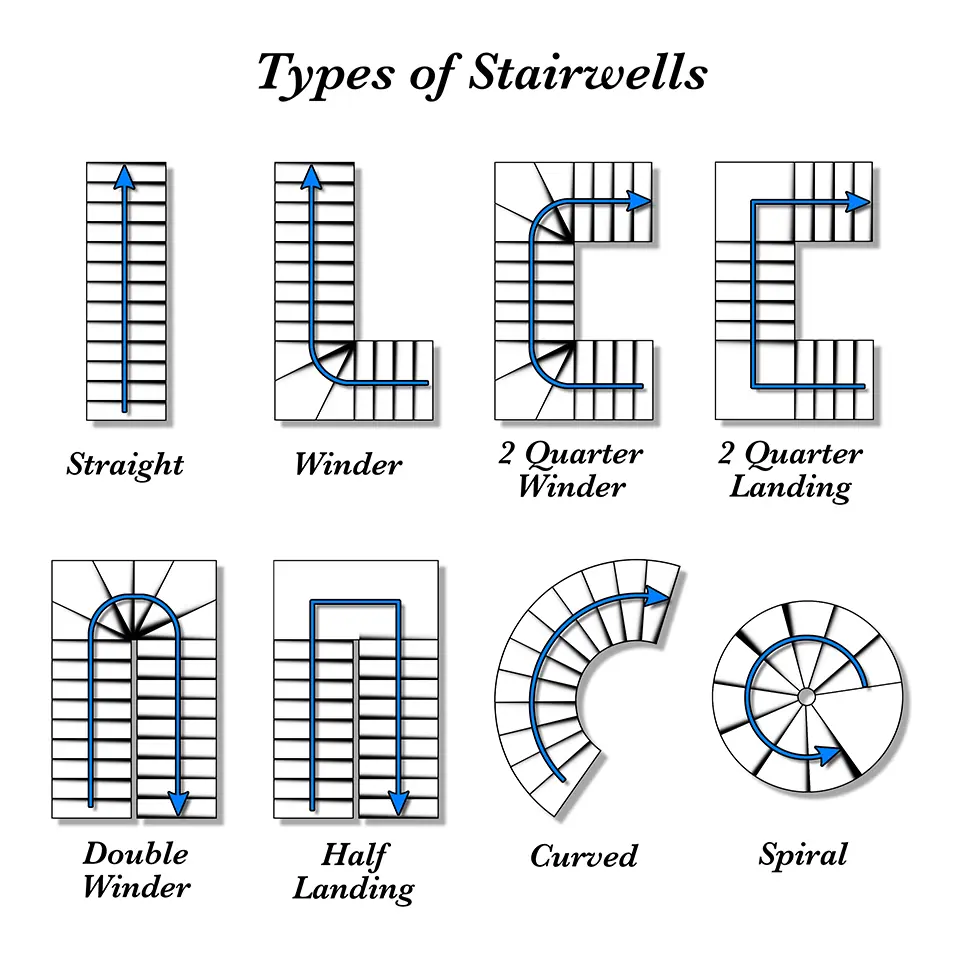
Stairs and access. Each flight of stairs adds $50 to $200, but not all staircases are equal. A straight flight is manageable. A 90-degree landing forces the crew to stand the piano nearly vertical to clear the turn, which doubles the time and risk. Winder staircases with pie-shaped treads leave almost no room to pivot. Spiral and curved staircases are the worst case — sometimes the piano has to be hoisted through a window or over a balcony with a crane, which alone can exceed the cost of the move itself.
Disassembly and crating. Grand pianos require partial disassembly, which adds around $100. Custom crating for long-distance shipping adds $700 to $1,200.
Scheduling. Rush jobs carry surcharges of $300 or more. Booking mid-week and during off-peak months saves 10 to 15 percent. Confirm your scheduled moving time at least two weeks out to lock in the best piano moving services in your area.
We get calls every year from people who tried to move a piano with friends and a furniture dolly. The story is almost always the same: the grand piano legs snapped.
Grand piano legs attach with wooden dowels and bolts designed to bear vertical load, not lateral force. Drag or tilt the instrument without removing the legs first, and those joints shear. The full weight of the piano drops onto the rim and case. A fall of just two or three inches is enough to crack a soundboard, and a cracked soundboard is either a multi-thousand-dollar repair or a total loss.
Professional piano movers have the specialized equipment to move a piano properly: heavy-duty dollies, skid boards, straps, and moving blankets built for the job. The best piano movers will also handle the piano bench, music stands, and accessories. A general moving company lacks this training, and their standard coverage pays out pennies per pound if something breaks. If you are in central New Jersey, our New Jersey piano moving page covers what to expect from a professional move.
A piano that sounded perfect before a move will not sound right afterward, and it has nothing to do with damage. During transport, the soundboard flexes under vibration, and roughly 230 strings each shift by small, uneven amounts. Once the piano lands in its new room, the soundboard responds to the humidity. A drier space makes it contract and the pitch drops flat. A more humid space makes it swell and the pitch goes sharp. This settling takes two to three weeks.
Schedule a piano tuning service after that window. Tuning runs $100 to $200 per session. At Pianos of Princeton, our technicians handle post-move tuning for uprights and grands of all sizes.
Piano moving companies start with the piano type, since uprights, grands, and digital pianos each require different handling techniques and crew sizes. From there, they factor in distance, access at both pickup and delivery locations, and whether the entire piano needs disassembly or crating. Request on-site estimates from at least three movers for a more accurate cost estimate — phone quotes miss details like narrow spaces and upper-floor apartment access that affect the final moving cost.
DIY piano moving almost never saves money once you account for risk. An average piano weighs several hundred pounds with an uneven center of gravity. Without a piano dolly, skid board, and locking belt, there is no safe way to move the instrument through tight spaces or down stairs. If a valuable piano is dropped or tilted incorrectly, the repair bill will dwarf what professional piano movers charge. For pianos valued above a few thousand dollars, the math is not close.
Two to three movers handle most upright pianos. Heavier pianos like baby grands and concert grands need three to four, plus specially equipped moving trucks. When the piano movers arrive, they assess doorways, stair width, and the path to the truck before deciding how many crew members to assign. An upper-floor apartment or a building with no elevator adds crew.
Yes, even for a short move within the same city. The vibration during transport shifts string tension across the entire soundboard, and the new room’s humidity finishes the job. A piano tuning service two to three weeks later brings the instrument back to proper pitch.
Give them the piano’s make, model, and dimensions. Describe both delivery locations in detail: floor level, stair type, doorway widths, driveway slope, and any tight turns. The more detail you provide, the more accurate the cost estimate. Movers who quote without asking these questions are guessing.
If you need help with piano moving in New Jersey, or you want a recommendation for the best piano movers in the area, give Pianos of Princeton a call or stop by the showroom in Lawrenceville. We are happy to help.